When you plan an Amboseli trip, one quiet detail affects comfort, health, and packing: the amboseli safari lodge water supply. It rarely makes a glossy brochure, but it decides whether you can fill a water bottle, enjoy a hot shower, and brush your teeth without worry. The honest answer is that reputable Amboseli lodges take water seriously.
How Does Amboseli Safari Lodge Water Supply Work?
Most Amboseli lodges operate their own water systems instead of connecting to a municipal network. The main sources are on site boreholes, groundwater linked to volcanic geology, and delivered supplies for smaller or seasonal camps. Once water is drawn, filtration, chlorination, UV treatment, storage, and testing decide whether it is safe to drink.
Think of two main property types. A permanent lodge inside or beside the national park usually has large storage tanks and a backup option so it can keep pumping during a power cut. A bush camp in a private conservancy may rely on a smaller borehole and a more careful daily budget. A seasonal camp near Kimana Gate may truck in water for part of the year because the camp moves when the rains change the landscape.
The geology also matters. Amboseli sits in a semi arid area below Kilimanjaro. Rain that falls on the mountain moves underground and emerges as springs and swamps inside the park. This underground water is why Amboseli has permanent wetlands at all. When a lodge says it uses borehole water, it is usually tapping into that wider groundwater system rather than drawing directly from a wildlife swamp.
Ask what happens if a pump fails. A good lodge has storage capacity, a backup pump, or a delivery arrangement. A vague answer is a warning sign, not a deal-breaker, but you want to know that your evening shower and morning coffee are covered.
Is Lodge Tap Water Safe to Drink in Amboseli?
Do not assume untreated tap water is safe to drink at an Amboseli lodge. Use the bottled, filtered, or boiled water provided by the property unless staff confirm that a tap is potable. Reputable lodges treat guest water, but the treatment system and tap layout differ between permanent lodges and tented camps.
Ask about water at check-in. Some lodges clearly mark a drinking water tap in the room or at the dining area. If the tap is not labeled, treat it as washing water, not drinking water. Use bottled or treated water even when brushing your teeth. Skin contact with tap water in a shower is generally fine. The bigger risk is swallowing untreated water.
This common-sense rule is the core of safe drinking water on a Kenya safari. Lodges want their guests to stay healthy, and most provide very clear instructions when the water is not potable. If you have a sensitive stomach, bring oral rehydration salts and ask your travel nurse for advice before departure.
What Drinking Water Do Guests Receive at Amboseli Lodges?
Most Amboseli lodges provide complimentary bottled or treated drinking water. You will usually find it in the room, in the dining area, and in the safari vehicle. Some properties use sealed glass bottles, while smaller camps may offer boiled and filtered water from refillable containers. Confirm what is included before you book.
At a full service lodge, the staff may refresh your drinking water twice a day. That is convenient, but it can mean more plastic. Many lodges now clean and refill reusable glass bottles in a central area. Others invite guests to fill a personal bottle from a filter station near the bar or restaurant. If you book a budget camp, ask whether water in the tent is part of the rate or an extra charge.
Bottled water at a safari lodge is usually safe because reputable properties buy from treated sources or fill bottles under clean conditions. The main difference is in how you get refills, not in the safety standard. When you are out on a full day game drive, confirm that the vehicle has enough water for every passenger. A stash in the luggage bay is useful, but you should not need to beg for a sip between sightings.
Carrying a reusable bottle makes sense. See what to pack for a Kenya safari for a full checklist, and add a bottle with a wide opening so it is easy to fill at a station. If the lodge asks you not to bring outside plastic, respect that rule and use the house containers.
How Do Amboseli Lodges Manage Wastewater and Conserve Water?
Responsible Amboseli lodges manage the water you use, not only the water you drink. Most treat wastewater on site, reuse it for irrigation where it is safe to do so, and support local conservation through careful borehole use and guest education.
Treatment methods vary from lodge to lodge, so the details below are general rather than a claim about any single property. After treatment, the water can irrigate gardens instead of flowing raw into a dry landscape. Some lodges also share treated water with nearby communities or provide clean water points for local people and livestock. This matters around Kimana Gate, where farms, wildlife, and lodges share the same groundwater. Ask a lodge directly what its wastewater system does before you book, since methods and standards differ between properties.
Guests can support the system. Take a shorter shower, turn off the tap while shaving or brushing, reuse towels when acceptable, and do not ask for daily laundry unless you really need it. Amboseli dust is part of the experience, so a small brush is more practical than a fresh towel every afternoon. Every liter saved on linen is water that can stay in the ecosystem.
Ask whether the lodge works with surrounding communities. A property that helps maintain a community water point is often invested in the area for the long term. This does not mean it is more luxurious, but it is a sign that the lodge understands its responsibilities.
How Does Seasonality Affect Lodge Water Supply and Wildlife?
Seasonality changes both lodge operations and wildlife behavior. Amboseli is naturally dry, but groundwater-fed springs and swamps hold water through the driest months while surrounding grasslands dry out. During dry season peaks, lodges carefully manage storage, borehole output, and any delivered water. Heavy rain brings different pressure: mud, road closures, and more dispersed animals.
| Season in Amboseli | Typical conditions | Water and wildlife notes |
|---|---|---|
| June to October, long dry | Clear skies, dust, peak wildlife crowds | Wildlife concentrates around permanent Amboseli swamps; lodges monitor boreholes, tanks, and storage |
| November to December, short rains | Green grass appears, migratory birds arrive | Seasonal pools form, animals spread out; rain can briefly muddy gravel access roads |
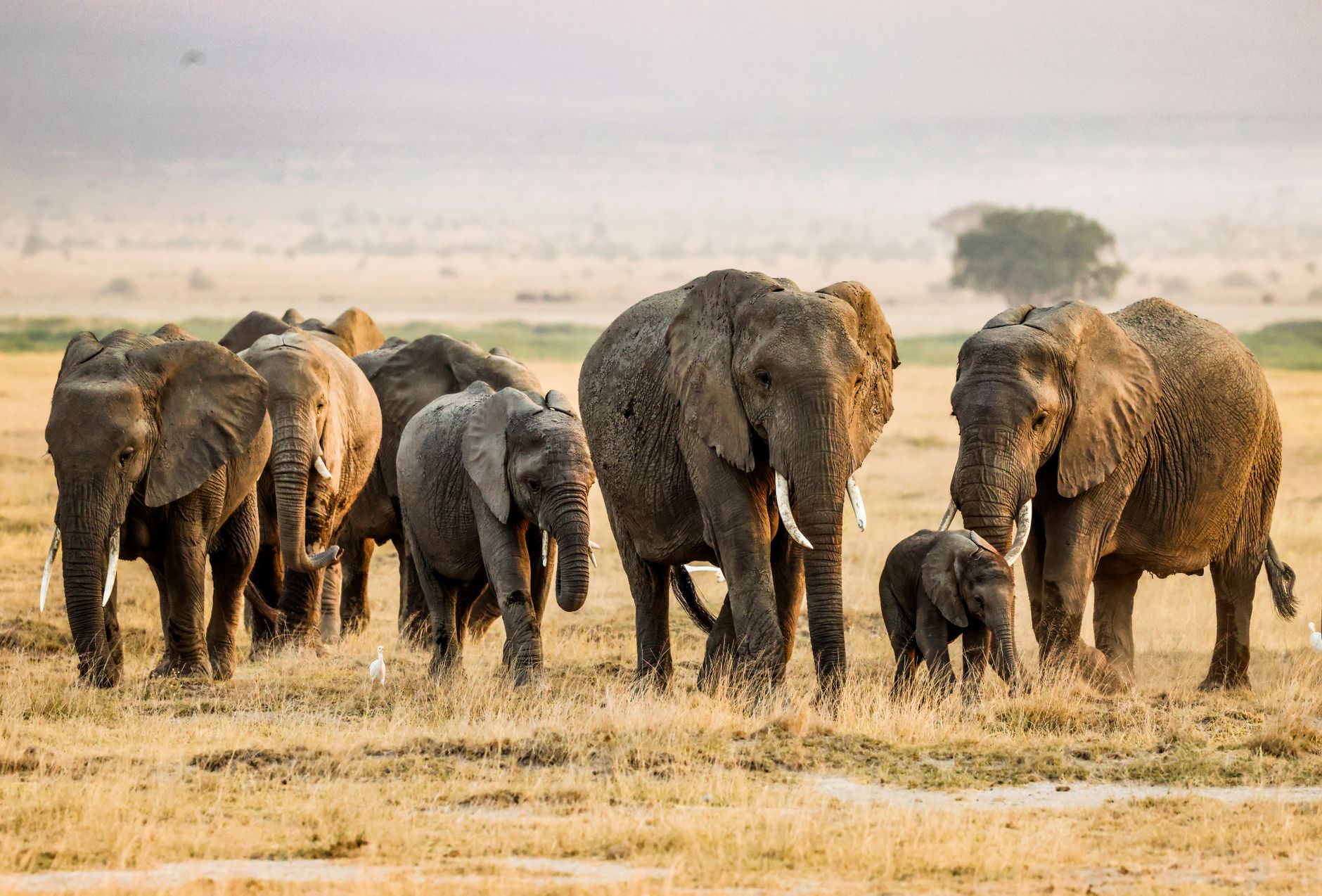
| January to February, dry interlude | Ground dries between rains | Animals return toward permanent water; elephants often gather in large herds near swamps |
| March to May, long rains | Green season, fewer visitors, some camps close | Water pressure improves, but floods can close roads and cause temporary access problems |
Water also explains where guides take you. A morning sighting of elephants heading toward a permanent swamp is not random. Guides follow animal behavior, and animal behavior often follows water. See how safari sightings are reported to understand why guides read water patterns before they drive across the plain.
In very dry years, even the permanent swamps can shrink. Wildlife may become more concentrated, which can be dramatic for viewing but hard on the land. Lodge water delivery trucks sometimes have to queue at community boreholes. A well run lodge plans for this. It tells guests honestly when water is tight and what conservation measures are in place.
What Should You Ask About Water Before Booking an Amboseli Lodge?
Ask five questions during booking: where does the water come from, how is it treated, which taps are potable, how do refills work, and what happens during a drought or pump failure. The answers should be clear and specific. If an operator cannot explain a basic water policy, choose another property.
Ask whether hot water is solar, gas, or electric. In some bush camps, heat depends on the sun, so a cloudy morning can mean a cool shower. Ask whether drinking water is available during game drives or only at meals. Confirm that your driver carries enough for the whole group.
Check the refill policy before you arrive. Some lodges ask you to leave sealed bottles behind for recycling. Others prefer that you never bring outside plastic. Knowing this before you pack saves awkward moments and reduces waste.
If you have health concerns or a tight schedule, see Kenya safari travel clinic timing to plan any pre trip advice. A nurse may suggest oral rehydration salts or discuss waterborne illness with you. That is personal medical advice, not a one size fits all lodge rule, so ask early.
What Do Travelers Ask About Amboseli Lodge Water?
The questions travelers ask most are: is tap water safe, do lodges provide bottled water, where does the water come from, can I refill my bottle, and does the dry season cause shortages. The practical answers below focus on what reputable lodges usually do. Confirm each point with your own property.
Is tap water safe to drink at an Amboseli safari lodge?
Not necessarily. Do not drink untreated tap water unless staff say it is potable. Use bottled, filtered, or boiled water instead. Treatment systems vary between lodges and camps.
Do Amboseli safari lodges provide bottled water?
Most do, and it is usually included. Some hand out sealed bottles, while others use refillable glass or filtered stations. Ask about rooms, meals, and game drives so there are no surprises.
Where does Amboseli lodge water come from?
Usually from an on site borehole, groundwater, or delivered supplies. The park swamps are important for wildlife, but lodges generally treat water through their own system rather than sharing a wetland tap.
Can I refill my water bottle at an Amboseli lodge?
Often, yes. Some lodges provide filtered refill stations, while others offer treated water in reusable containers. Bring a reusable bottle and ask about refill points when you arrive.
Does Amboseli have a water shortage in the dry season?
Water pressure can tighten in very dry years, even when a lodge has its own borehole. The permanent springs and swamps remain refuges for wildlife, but surrounding grazing may dwindle, so animals concentrate near water. Ask the lodge how it handles drought.
Which Amboseli Safari Packages Should You Compare?
Compare packages that state their water policy clearly and include drinking water in the nightly rate. Build a short list of three lodges and request full package details. Mark how each property answers your water questions. Compare not only room price but also water inclusion, game drive water, and waste management.
No single property suits every traveler. Your dates, budget, and comfort with remote conditions all matter. Use the water questions in this post as a filter. Browse vetted Amboseli packages through Valley Safaris, or compare operators across multiple lodges at FindMySafari. The best package is the one that answers these ordinary details before you leave home.
Where Can You Find More Safari Planning Resources?
The guides below offer maps, park overviews, and destination context from sister properties in the TouringInsights network to round out your Amboseli planning.
- Amboseli map and guide from SafariPure
- Amboseli National Park guide from Trunktrails Safaris
- Map of Amboseli from Valley Safaris
- Amboseli destination guide on FindMySafari